Understanding Eid al Adha 2026: Date and Significance
Eid al Adha, also known as the Festival of Sacrifice, is one of the most important celebrations within the Muslim calendar. In 2026, Eid al Adha is expected to begin on the evening of Wednesday, 27 May, subject to the sighting of the moon. This four-day festival honours the willingness of Prophet Ibrahim (Abraham) to sacrifice his son as an act of obedience to Allah. The date falls in the Islamic month of Dhul Hijjah, the final month of the lunar calendar, following the conclusion of the annual pilgrimage to Mecca (Hajj).
Spiritually, Eid al Adha represents themes of devotion, submission, and charity. It is a time for reflection on faith and gratitude. Alongside communal prayers, the festival serves as a reminder of sacrifice and helping those less fortunate.
Traditions and Religious Practices During Eid al Adha
The day officially starts with a special Eid prayer performed in congregation. The Eid prayer generally consists of two units (rak’at) followed by a sermon (khutbah). This communal act fosters unity and collective worship. Throughout the festival, Muslims recite the Takbir, an exaltation of God, especially between the ninth and thirteenth days of Dhul Hijjah, formally known as the days of Tashriq.
A central ritual is the Qurbani or sacrificial slaughter of an animal such as a sheep, goat, cow, or camel. The sacrifice symbolises Prophet Ibrahim’s devotion and willingness to follow divine command. The meat is then divided into three parts: one third is kept for the family, one third is shared with relatives and friends, and the final third is distributed to those in need. This act encourages sharing and generosity, reinforcing community bonds.
In addition, many Muslims fast on the Day of Arafah, the 9th day of Dhul Hijjah, which precedes Eid. Fasting on this day is believed to expiate sins and bring spiritual reward.
Celebrations and Family Gatherings
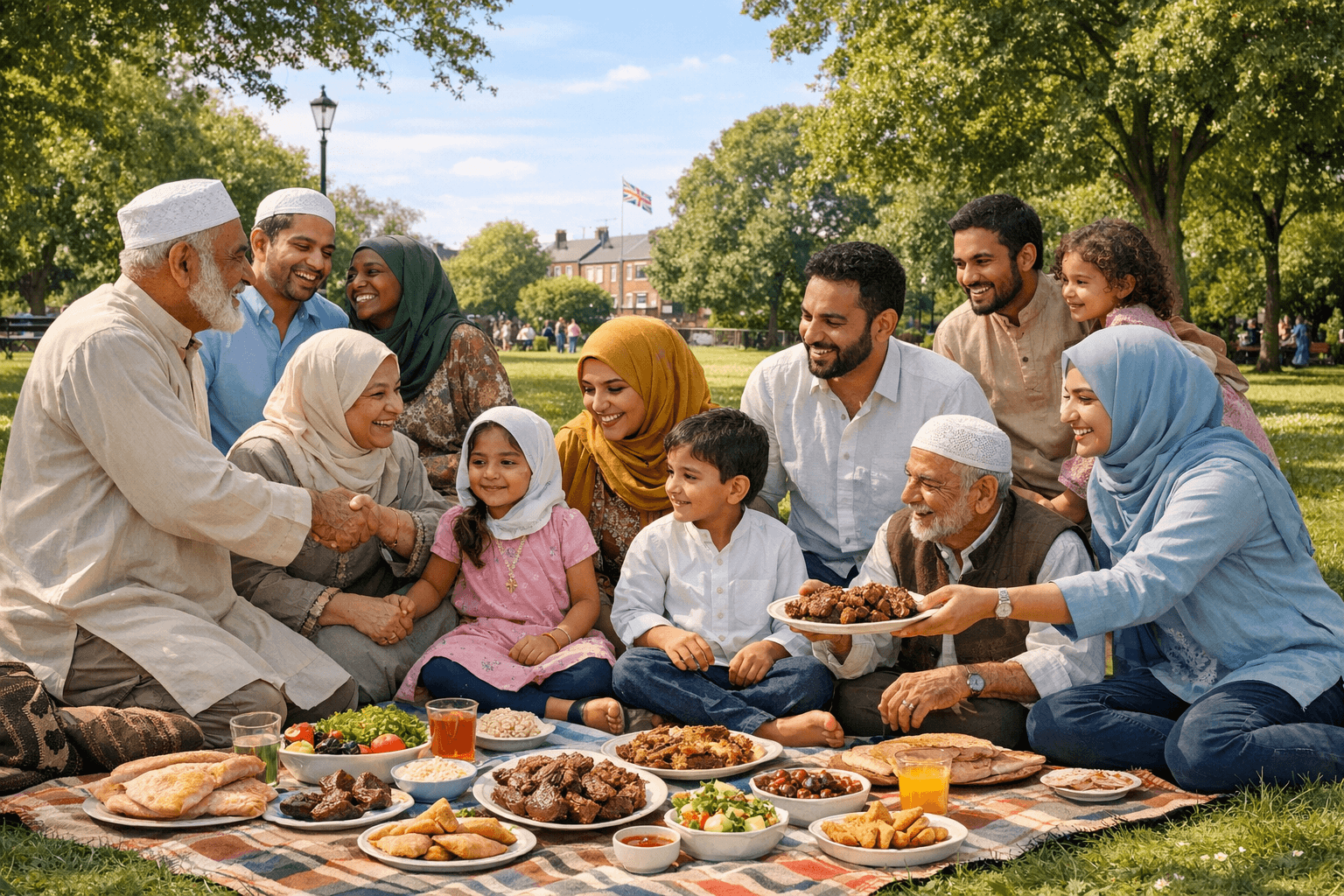
Eid al Adha is marked by joyous celebrations where families and friends come together to share meals and exchange greetings. The festival’s four-day duration allows time for visiting loved ones, renewing social ties, and enjoying traditional foods made from the Qurbani meat. These meals are often elaborate affairs that include dishes unique to different cultures within the Muslim world, reflecting both religious and regional heritage.
The customary exchange of “Eid Mubarak” (“Blessed Eid”) greetings both in person and by phone or messages emphasises goodwill and community cohesion. Often, younger family members receive gifts, underscoring the festive spirit that blends solemnity with celebration.
Charity and Sharing: The Core Values of Eid al Adha
This charitable dimension highlights the festival’s role in alleviating hardship and promoting social equity. By sharing food and resources, communities strengthen their bonds and uphold the essential values taught by Prophet Muhammad (Peace Be Upon Him).
For further insightful details on global celebrations and practices related to this festival, reliable sources such as Story Rabat offer comprehensive coverage.
