Why Accessible Minibus Travel Matters for Independent Living
Accessible minibus travel plays a crucial role in supporting independent living, particularly for seniors and individuals with limited transport options. Reliable transport enables these groups to maintain essential mobility, allowing them to manage their daily activities without over-reliance on others. For many seniors, the ability to travel independently means preserving dignity and control over their lives. Accessible minibuses help reduce dependency on family or specialised care services by providing a safe and dependable way to access healthcare appointments, social events, and everyday errands.
Beyond practical mobility, accessible transport services are essential in preventing social isolation—a common problem for older adults and those with mobility challenges. The opportunity to engage with the community regularly contributes to improved mental health and well-being. This form of travel therefore supports not just physical movement but overall quality of life, enabling users to remain integrated within their communities.
Key Features of Accessible Minibuses
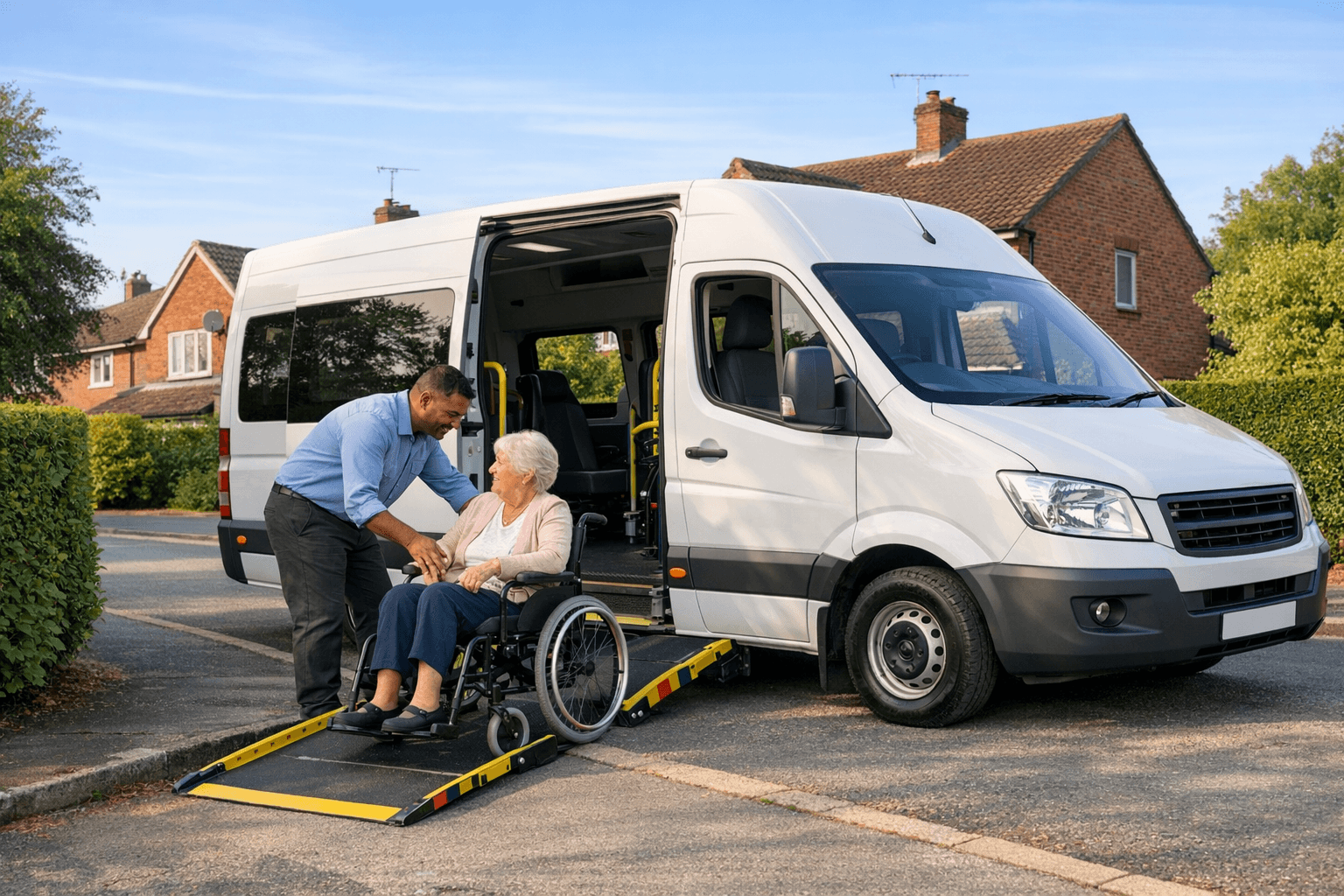
Accessible minibuses are designed to cater to a broad spectrum of mobility needs. Features such as wheelchair ramps or lifts ensure that passengers using mobility aids can board and disembark independently and safely. Spacious interiors accommodate wheelchairs and walking aids comfortably without compromising the safety or comfort of other passengers.
Service design is equally important. Door-to-door transport offers personalised convenience, making the journey less stressful, especially for those with limited endurance or complex health conditions. Affordability is another critical factor; accessible minibuses are often offered at subsidised rates or through charitable schemes to ensure that cost does not become a barrier to essential travel.
Trained drivers and support staff who understand the specific needs of passengers with disabilities or elderly users enhance the travel experience. Their sensitivity, professionalism, and patience provide reassurance and foster trust among users, which is essential for sustained usage and confidence in accessible services.
Benefits of Accessible Minibus Travel Beyond Transportation
While the primary function of accessible minibuses is to provide transport, their benefits extend further into social and health realms. Regular utilisation of such services establishes reliable routines that contribute to physical activity, whether through the act of preparing to travel or engaging in community activities upon arrival.
Moreover, accessible transport significantly reduces social isolation by connecting users to family, friends, and social groups. This connection combats loneliness, which is strongly linked to adverse health outcomes. Passengers gain opportunities to attend community centres, places of worship, clubs, and cultural events, fostering a sense of belonging.
Access to healthcare is also facilitated, ensuring timely attendance at medical appointments and treatment sessions. This can improve health outcomes by preventing the deterioration of chronic conditions, enhancing early intervention, and reducing missed appointments.
How to Access and Use Minibus Services in Your Community
Accessing accessible minibus services typically begins with identifying providers in the local area. These may be operated by charitable organisations, local councils, or dedicated transport companies specialising in accessible travel. Information can often be found through community centres, social care providers, or online local government portals.
Qualifying for services may involve simple registration processes that consider mobility needs or age-related criteria. Some schemes require referrals from healthcare professionals or social workers, particularly where specialised transport is needed for medical purposes.
When using accessible minibus services, it is helpful to book in advance due to the demand and scheduling needs inherent in door-to-door transport. Users should communicate any specific assistance requirements to ensure appropriate arrangements, such as additional help boarding or required timings.
Making the most of these services involves planning journeys that encourage social engagement and healthy activities, maximising the value beyond mere transportation. Many communities also offer group travel or outings designed to promote interaction and enjoyment among passengers.
Accessible minibus travel remains an essential resource in fostering independent living and inclusion, enabling individuals to navigate their worlds with dignity and confidence.
