
Most people book by passenger count alone. Sixteen people, sixteen seats. It is the obvious approach and it is the reason a lot of groups end up on a journey with bags on their laps or a vehicle half empty at twice the necessary cost.
Seat count is where you start, not where you finish. Here is how the sizes actually work in practice.
The UK size bands
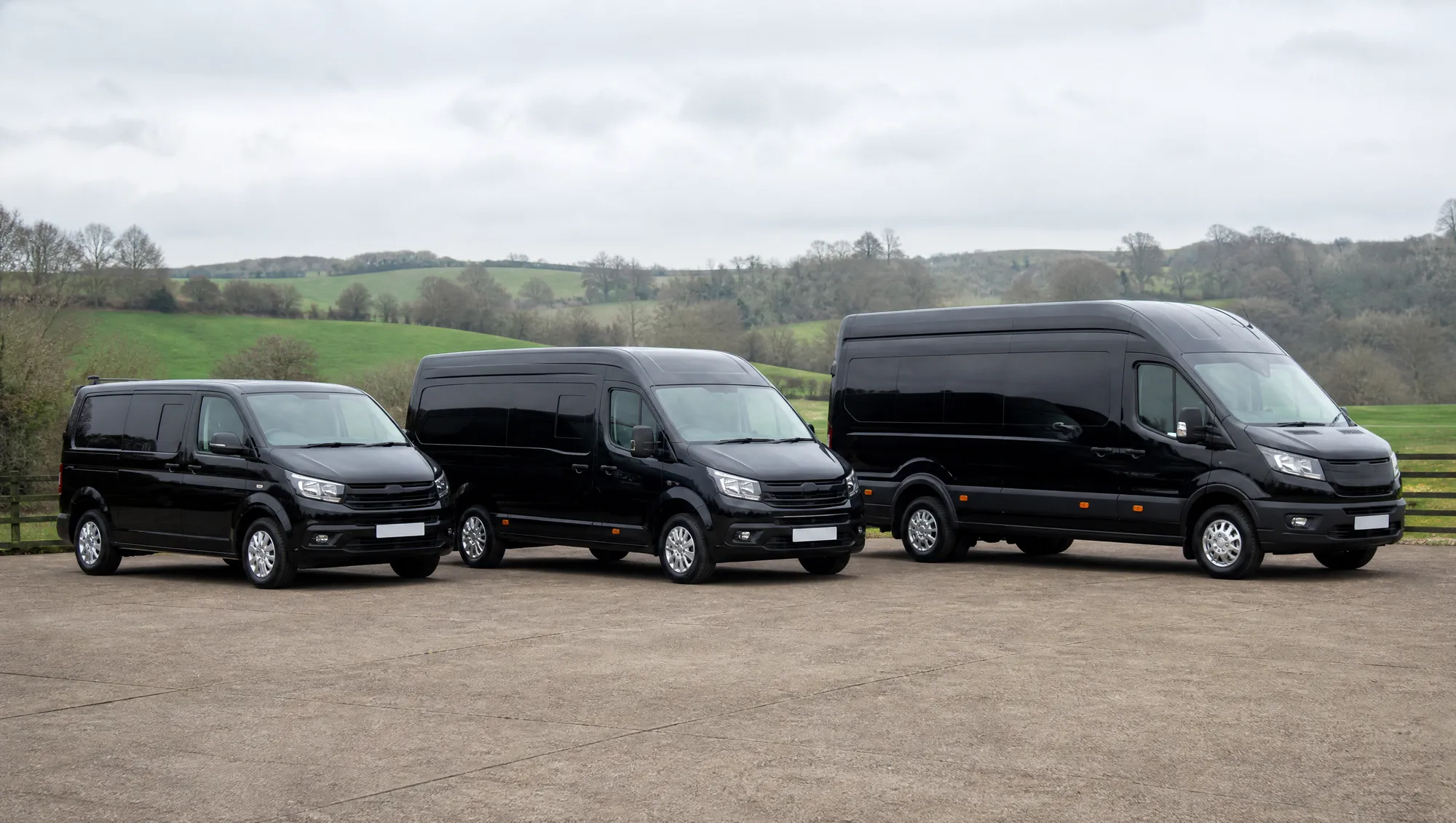
- 8 seats — executive. Corporate pickups, small family groups, airport runs where comfort matters more than capacity. Car-like to travel in, and usually the right answer for a small group going a long way.
- 12 to 16 seats — standard minibus. The workhorse. School activities, club fixtures, family occasions, small tour groups. Fits down ordinary residential streets, which larger vehicles often cannot.
- 20 to 24 seats — midi. The size most people forget exists. Ideal where a 16 is tight but a full coach is excessive, and it still reaches places a full-size coach cannot.
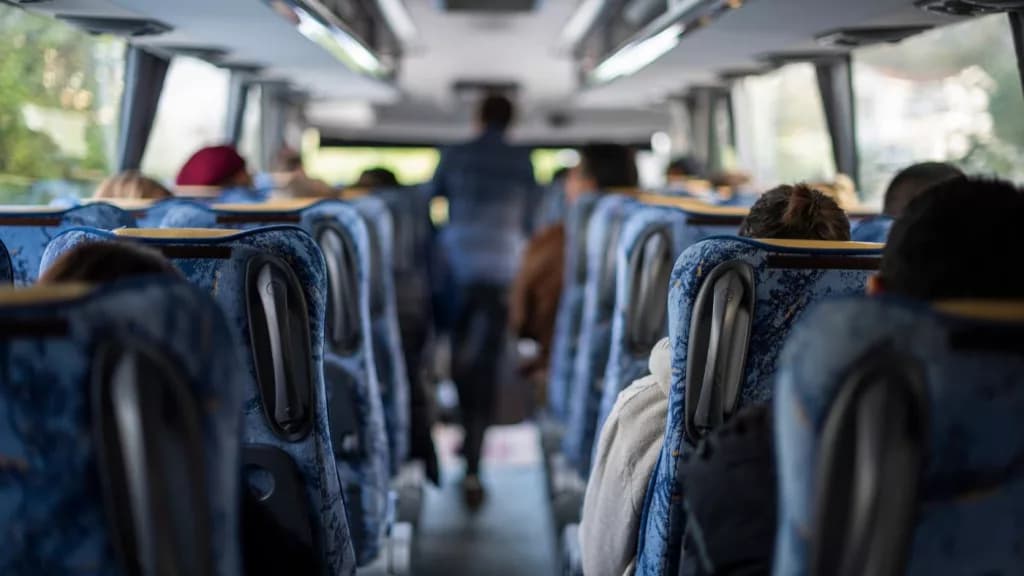
- 33 to 49 seats — coach. Proper luggage holds, higher seating, designed for distance. This is where long journeys become genuinely comfortable.
- 50 to 70 seats — full-size coach. Whole-school trips, large corporate moves, wedding parties. Lowest cost per seat by a wide margin, if you can fill it and the venue can take it.
Four things that change the answer
Luggage
The most frequent cause of a bad journey. A 16-seat minibus carrying sixteen people with airport luggage does not work — the seats exist, the space for the bags does not. As a rough guide, allow one full-size suitcase per two passengers in a standard minibus, or step up to a coach with a hold. For an airport run with a case each, a group of sixteen is realistically a 24-seat job.
Distance
A 16-seater is perfectly comfortable for forty minutes. For four hours it is a different proposition. Over roughly two hours, seat pitch, suspension and the presence of a proper luggage hold start to matter more than the seat count, and a coach that costs slightly more delivers a group who arrive able to function.
Who is travelling
Older passengers, anyone with mobility difficulties, or groups with very young children should be sized with boarding in mind, not just seating. Lower step heights and better handrails matter more than headline capacity. It is often worth one size up simply for easier access.
Where it has to go
This catches people out constantly. Narrow residential streets, multi-storey car parks with height barriers, rural venues with tight approaches — all rule out larger vehicles regardless of how many seats you need. Always give your operator the exact pickup and destination postcodes so they can check access before the day, not on it.
The false economy of squeezing in
Booking a 16-seater for sixteen people leaves no margin. One extra person joins and the booking fails entirely. Someone brings more luggage than agreed and the journey becomes uncomfortable for everyone.
Where numbers might move, book with a little headroom. The price difference between a 16 and a 20 is usually small; the difference between a working booking and a failed one is not.
Cost per seat versus total cost
Larger vehicles are cheaper per seat and more expensive in total. For thirty people, one 33-seat coach almost always beats two 16-seat minibuses — one driver, one vehicle, one arrival time, and everyone travelling together. Two minibuses mean two drivers, two routes and the near-certainty that one arrives late.
Splitting only makes sense when the group genuinely needs to be in two places, or when access rules out anything larger.
Not sure which size you need?
Tell us the group size, the route, the luggage and who is travelling, and we will recommend a vehicle from our 8 to 70-seat fleet — including saying so when a smaller one will do. Sizing it correctly the first time is cheaper than fixing it on the day.