
Common Transport Options for University and Amateur Sports Teams in the UK
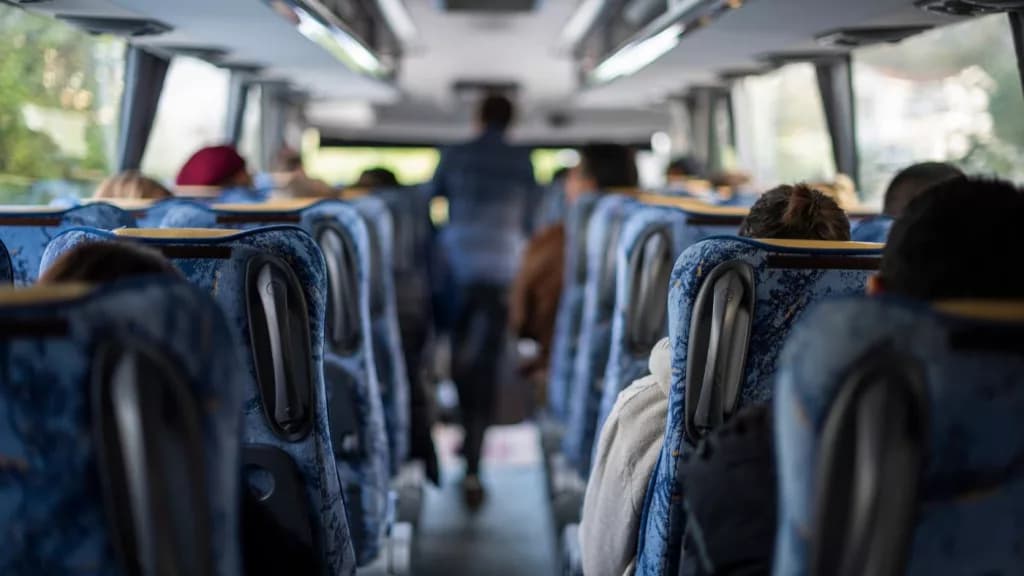
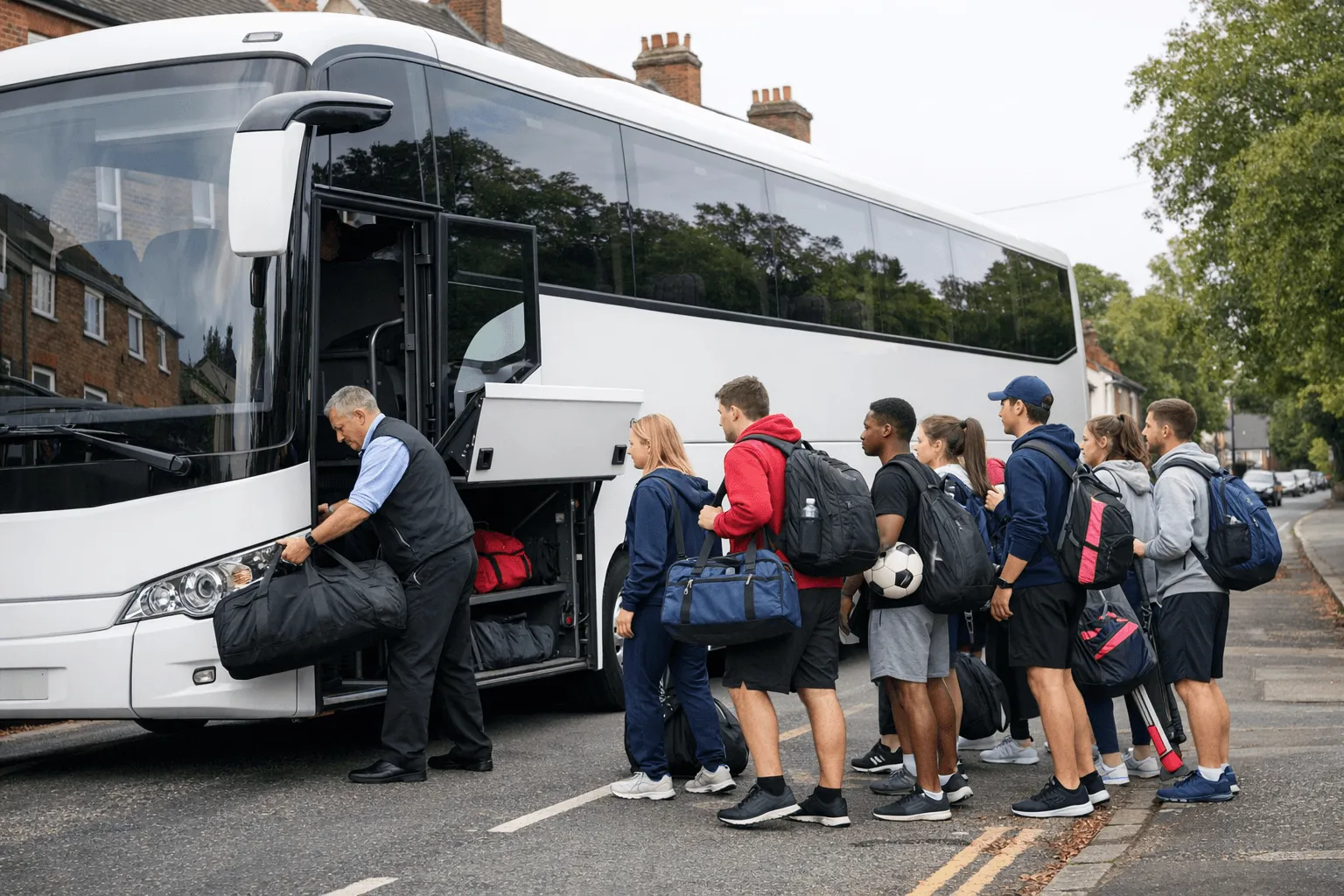
University and amateur sports teams across the UK typically rely on a few key transport methods when travelling for away-day fixtures. Among the most common are buses and coaches, which remain popular due to their cost-effectiveness and practicality for groups of varying sizes. Teams often hire coach services for longer journeys, benefiting from the convenience of direct routes and the ability to travel together.
Train travel also plays a notable role, especially for medium-distance trips where time savings are a priority without the higher costs of air travel. The UK’s well-established rail network provides an efficient option for many teams, particularly when matches are located near major train stations.
Flying is relatively uncommon for university and amateur team travel within the UK due to the short distances involved and the added complexities and costs associated with air travel. Instead, emphasis is placed on modes of transport that support the group’s cohesion and minimise logistical challenges.
Planning and Organizing Away-Day Transport
Successfully coordinating transport for university and amateur sports teams requires careful planning and attention to detail. A first step is to confirm group sizes accurately, which influences the choice between a standard minibus, a larger coach, or potentially multiple vehicles. Booking transport well in advance is advisable, as this helps secure availability and can reduce costs.
Scheduling is critical, with travel times carefully aligned to avoid match delays. This includes allowing buffer time for traffic or other unexpected delays, as well as accounting for adequate arrival time to allow teams to prepare properly before games. Communication with transport providers about specific needs – such as storage for sports equipment or particular pickup/drop-off points – is essential for smooth operations.
Challenges and Solutions in Away-Day Travel
Travel for sports teams often faces challenges ranging from delays to discomfort and coordination difficulties. One common issue is transport running late due to traffic, which can disrupt match preparation and add stress. Solutions include selecting routes less prone to congestion, having contingency plans with alternative travel options, and ensuring departure times incorporate suitable buffers.
Comfort during travel is another factor, especially on longer journeys. Providing adequate seating space, access to refreshments, and movement breaks can alleviate fatigue and maintain team morale. Coordinating multiple vehicles or managing large groups can also be complex; assigning team members or staff to oversee communication and headcounts can help maintain organisation and punctuality.
Best Practices for Transport Safety and Comfort
Ensuring the safety and comfort of team members during away-day travel should be a top priority. Choosing professional drivers with experience in group transport provides assurance that journeys will be managed responsibly. Careful scheduling of rest breaks not only supports legal driving limits but also allows passengers to stretch and refresh.
Onboard amenities, such as climate control, comfortable seating, and space for equipment, contribute significantly to passenger comfort. Clear communication of safety procedures before and during travel helps everyone stay informed and reduces anxiety. Attention to vehicle maintenance ensures reliability and mitigates risks related to breakdowns.
Adhering to these best practices supports an environment where players, staff, and supporters can arrive both safely and ready to perform.