

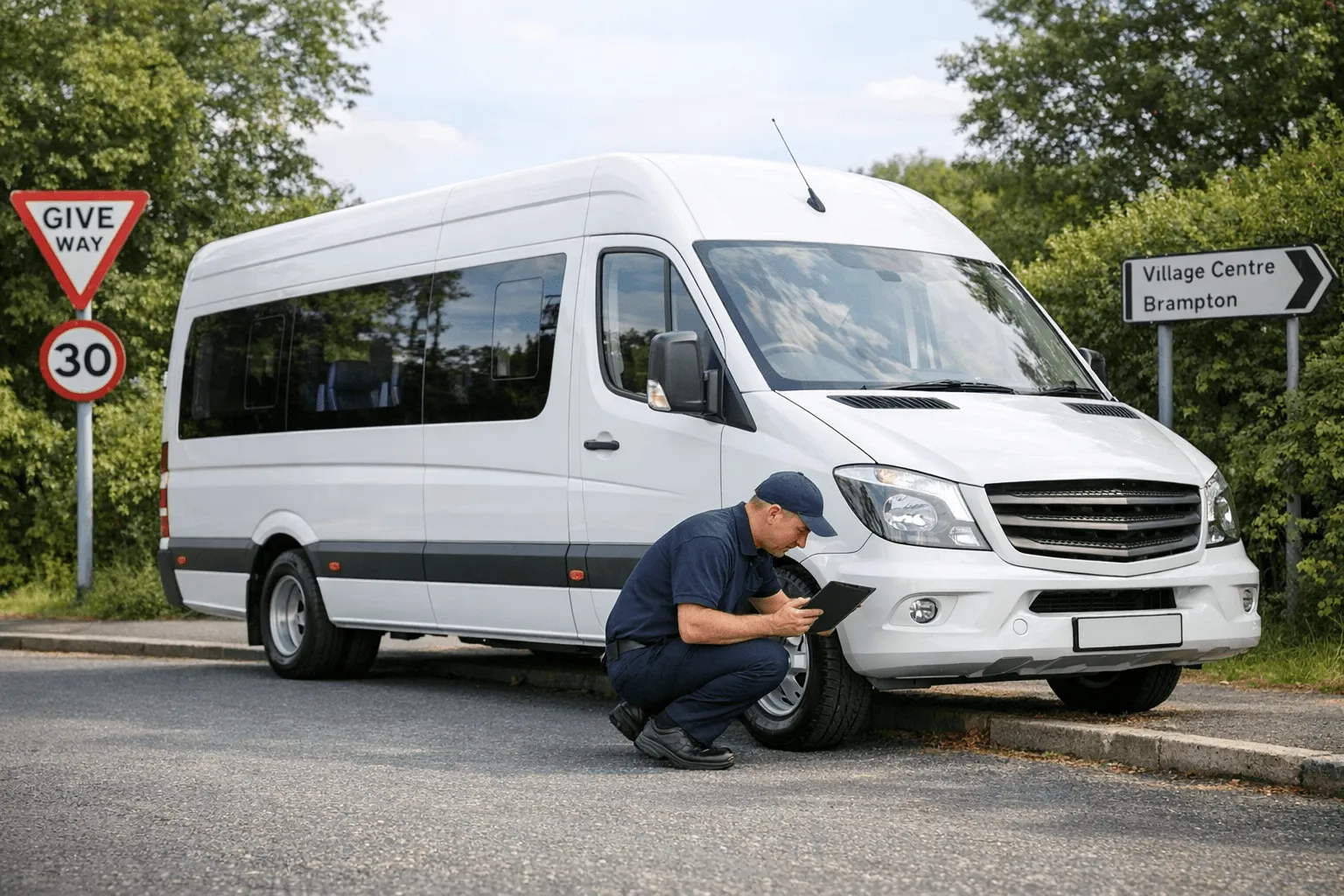
How Vehicle Age Impacts Passenger Safety
The age of a vehicle has a clear influence on passenger safety, with newer models generally providing better protection. Studies consistently show that fatality rates rise significantly in older vehicles. Analysis from the National Highway Traffic Safety Administration (NHTSA) in the United States found that only 27% of occupants riding in vehicles less than three years old who were involved in crashes were killed, compared to 37% in vehicles 8 to 11 years old, and a concerning 50% in vehicles over 18 years old. This trend highlights how advanced safety features and structural improvements in newer vehicles can contribute to saving lives on the road Source: Automotive Fleet.
Older vehicles are more likely to lack modern safety technologies such as advanced airbag systems, electronic stability control, and improved crashworthy structures, making them less effective in protecting passengers during collisions. Additionally, the mechanical reliability of ageing vehicles can decline, increasing the risk of breakdowns or failures that may lead to accidents.
The Role of Fleet Safety Standards in Reducing Risks
While vehicle age is an important factor affecting passenger safety, adherence to robust fleet safety standards is often even more critical. A well-managed fleet ensures regular maintenance, rigorous safety inspections, and upgrades to vehicles where necessary, irrespective of their age. These standards may include policies on driver training, speed control, fatigue management, and use of safety equipment.
A strong safety culture within a fleet can mitigate many risks associated with older vehicles by ensuring they are operated safely and maintained properly. Conversely, newer vehicles without strict safety protocols may still present risks if drivers are inadequately trained or if safety policies are not enforced.
Ultimately, fleet safety standards encompass both vehicle condition and operational practices, representing a holistic approach to reducing accidents and injuries. This approach places emphasis on continuous improvement through technology and human factors rather than relying solely on vehicle age as a measure of safety.
Advances in Vehicle Safety Features Over Time
Vehicle safety has improved markedly in recent decades. Modern cars are equipped with an array of features designed to both prevent accidents and protect passengers in the event of a crash. Key advances include:
- Electronic Stability Control (ESC): Helps prevent skidding and loss of control, now mandatory in many new vehicles.
- Advanced Airbag Systems: Side-curtain and multi-stage airbags which provide better occupant protection.
- Automatic Emergency Braking (AEB): Detects potential collisions and applies brakes automatically.
- Improved Crash Structures: Strategic design to absorb impact forces and protect the passenger compartment.
- Driver Assistance Technologies: Lane departure warnings, adaptive cruise control, and blind-spot detection.
The introduction of these features has contributed to reducing fatalities and serious injuries on the road, particularly in newer vehicles. This also underscores why more recent models are generally safer, as their design benefits from the latest research, testing, and regulatory requirements.
Implementing Effective Fleet Safety Practices
For fleet managers, ensuring passenger safety demands a proactive and comprehensive strategy. Some practical measures include:
- Regular Vehicle Inspections and Maintenance: Scheduled servicing helps identify and rectify mechanical issues before they pose safety risks, prolonging the vehicle’s safe operational life.
- Vehicle Replacement Plans: Developing policies to phase out vehicles that no longer meet safety standards or become uneconomical to maintain safely.
- Driver Training and Behaviour Monitoring: Continuous education on safe driving practices and use of telematics to monitor speed, braking, and other behaviours supports safer fleet operation.
- Updating Safety Equipment: Retrofitting vehicles with current safety technologies where feasible, or selecting fleet models that consistently meet high safety ratings.
- Use of Technology Integration: Advanced telematics, collision avoidance systems, and other digital tools can greatly enhance situational awareness and accident prevention.
By focusing on these areas, fleets not only comply with regulatory requirements but also foster a culture of safety that protects all passengers. In complex operating environments, such as passenger transport for community groups or vulnerable individuals, these practices are indispensable.
Keeping a fleet safe is a continuous commitment. It requires balancing vehicle age considerations with rigorous standards and embracing technological advancements tailored to minimising risks and safeguarding lives.
Need reliable group transport? minibus hire in Birmingham with AJ Executive Travel — available 24/7 across Birmingham and the West Midlands. Get a free quote today.