

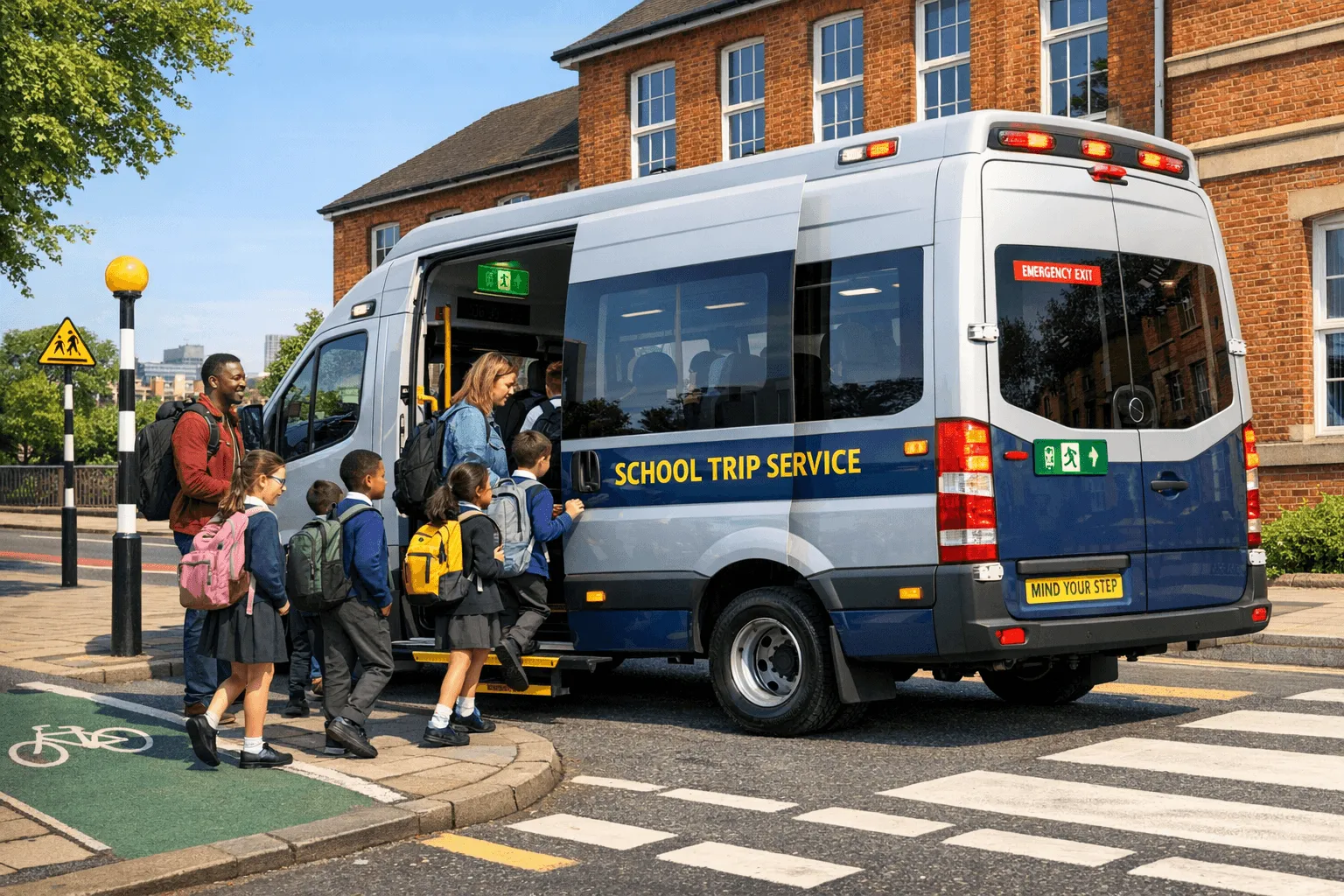
Understanding the Benefits of Group Transport for School Activities
Group transport, particularly using activity vans, has become an increasingly preferred choice for schools managing outings and activities. Rather than coordinating multiple cars for a school trip, hosting students in one vehicle simplifies logistics and reinforces safety and organisation. The benefits extend from practical ease to cost-effectiveness and improved supervision.
One of the primary reasons schools favour activity vans is the ease of managing a single group rather than several vehicles. Multiple cars require a convoy-style arrangement that can lead to delays, dispersal, and difficulties in maintaining punctuality. By employing group transport, schools can ensure all participants travel together and arrive simultaneously at the destination.
Activity vans also serve as a more environmentally conscious option compared to numerous cars operating separately. They reduce the collective carbon footprint, supporting broader efforts for sustainable travel and road safety. Coupled with this, group transport fosters greater interaction among students and staff, reinforcing community spirit and enhancing overall trip experience.
Key Safety Features of School Activity Vans
Safety remains the foremost concern when transporting schoolchildren. Activity vans are purpose-built with safety features designed to meet the specific needs of group travel. Reinforced frames provide structural integrity, offering robust protection in the event of any incident. These vehicles are equipped with advanced restraint systems such as calibrated seat belts tailored for children and adults alike.
Emergency safety is thoroughly considered with multiple emergency exits that are clearly marked and easily accessible, allowing efficient evacuation if necessary. Complementing these are modern technological aids like backup cameras and sensors. These devices enhance the driver’s situational awareness, reducing blind spots and lowering the risk of collisions during manoeuvres.
The visibility of activity vans is also prioritised with high-visibility LED lights for adverse weather conditions or low light. This ensures other road users can clearly see the van, promoting safer journeys for all passengers.
Operational Advantages of Using Activity Vans for Schools
From an operational viewpoint, activity vans offer several advantages that cater specifically to schools’ needs. One notable benefit is cost efficiency. Compared to organising several private cars or hiring large buses, activity vans consume less fuel and require less maintenance due to their size and adaptable nature.
The manageable size of activity vans allows for greater flexibility. They can be parked in tighter spaces and navigate narrow or congested roads more easily than larger vehicles, minimising delays and logistical challenges at busy venues or school premises.
Moreover, activity vans can be customised with features specific to the programme they serve. Whether it is additional storage for sports equipment, climate control for comfort, or multimedia systems to engage students, these customisation options enhance the functionality of the vehicle and improve the overall experience during school activities.
Reducing Traffic and Accident Risks with Group Transport
Utilising activity vans for school activities distinctly reduces the number of vehicles required to transport students. Fewer vehicles directly translate to decreased traffic congestion around schools, pickup points, and event locations. This reduction in traffic enhances safety for other road users, pedestrians, and cyclists by diminishing potential conflict points.
With fewer cars, the likelihood of accidents involving student groups also falls significantly. Group transport allows professional drivers to focus solely on safety, as opposed to individual parents juggling driving responsibilities on behalf of the group. This professional approach ensures consistent adherence to safe driving standards and vehicle inspections.
Furthermore, by consolidating travel, schools can better plan routes that mitigate risks associated with peak traffic times or challenging road conditions. This proactive management reduces stress for accompanying staff and presents a safer, more controlled environment for student travellers.
Overall, group transport via activity vans offers schools a dependable and safer alternative to multiple-car travel arrangements, supporting safe, efficient, and well-organised school activities.
Need reliable group transport? minibus hire in Birmingham with AJ Executive Travel — available 24/7 across Birmingham and the West Midlands. Get a free quote today.