
Why Minibuses Are Ideal for Rural Travel in the UK
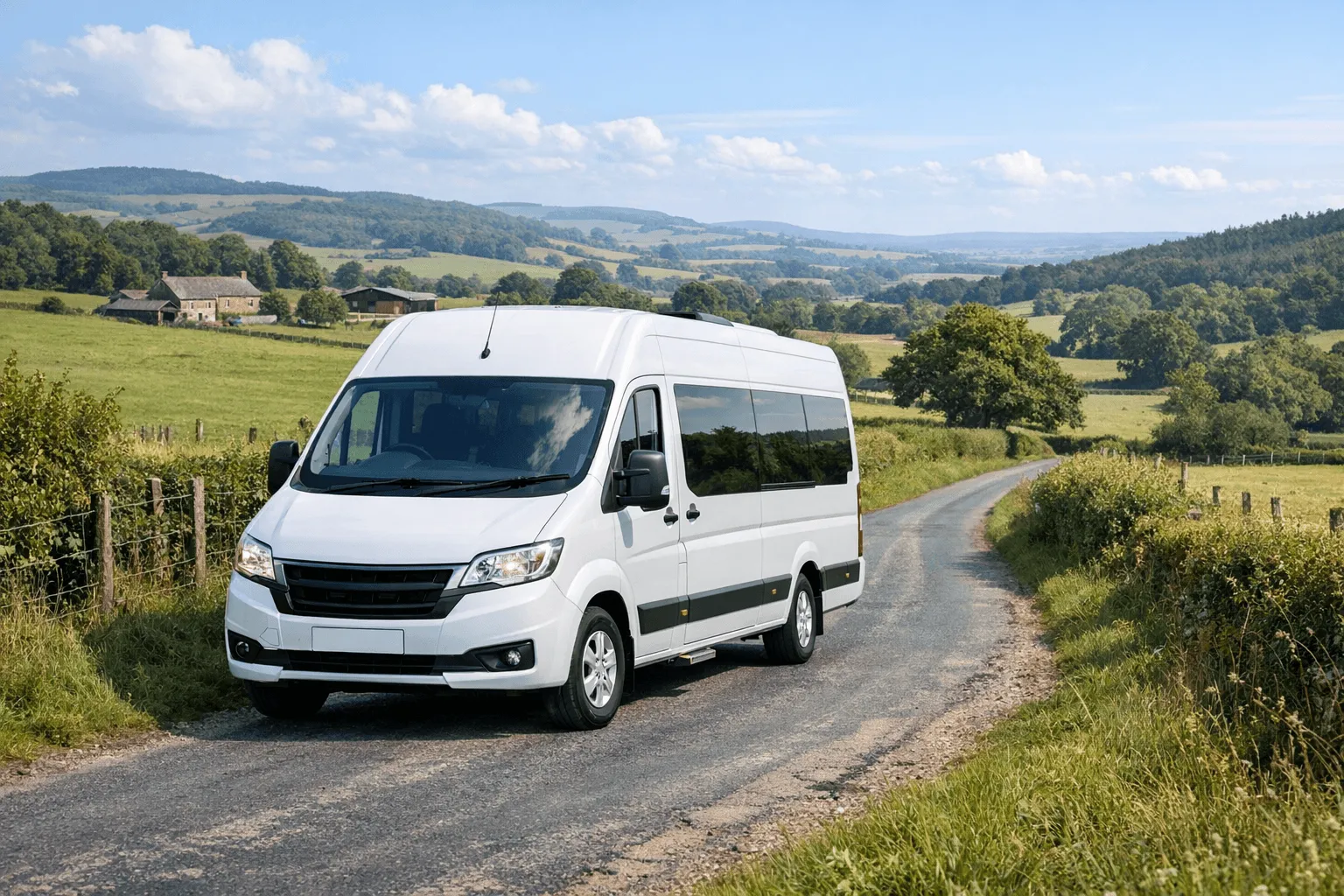
Rural travel in the United Kingdom faces unique challenges due to the dispersed nature of communities and limited public transport infrastructure. Minibuses offer a practical solution tailored to these conditions. Their size and manoeuvrability make them suitable for smaller roads and more varied routes often found in rural areas. Unlike larger coaches or fixed-route buses, minibuses can provide flexible and accessible travel options that cater to the specific needs of rural residents.
Minibuses can often service routes where passenger numbers do not justify the deployment of larger vehicles, ensuring continued connectivity to towns, hospitals and local amenities. This is particularly important in less accessible areas where alternatives can be sparse or non-existent. The adaptability of minibuses to provide door-to-door or closely located pick-ups enhances their appeal for rural travel, where walking distances can otherwise be prohibitively long.
Benefits of On-Demand Minibus Services in Rural Areas
On-demand minibus services have been increasingly recognised for their benefits in rural settings. These services enable flexible scheduling and route changes based on passenger need rather than fixed timetables. This flexibility significantly improves transport accessibility for residents in scattered communities who may otherwise be isolated.
Such demand-responsive transport helps reduce dependency on private vehicles, thereby supporting environmental objectives and easing congestion on rural roads. Enhanced connectivity also means that residents can more reliably access essential services such as education, employment, and healthcare. This addresses a critical gap in mobility, supporting social inclusion and independence in rural populations.
Trials of demand-responsive minibus services in the UK have shown positive community impact, with many local authorities considering long-term adoption or expansion of such schemes. The ability of these services to adapt dynamically to passenger needs, including off-peak travel, makes them a valuable asset in rural public transport.
Social and Economic Impact of Minibus Transport
The role of minibuses extends beyond mere mobility; they are integral to the social and economic fabric of rural communities. Access to reliable transport affects employment opportunities, educational attainment, and healthcare services. Minibuses provide lifelines to those without alternative means, including elderly and disabled individuals.
Through offering consistent transport links, minibuses help reduce social exclusion by enabling participation in community activities and fostering social cohesion. Economically, improved transport connectivity can lead to better job access and business opportunities, supporting local economies and reducing rural depopulation trends.
Moreover, minibuses contribute to easing the demand on social care services by promoting independence and supporting attendance at medical appointments. This is particularly pertinent as rural health services often require travel to distant facilities, making efficient and reliable transport essential.
Challenges and Future Prospects for Rural Minibus Services
Despite their benefits, rural minibus services face significant challenges, primarily financial and operational. Funding constraints can limit service availability and expansion, and operational costs per passenger tend to be higher than urban services due to longer distances and lower passenger density.
Maintaining viability requires careful balancing of community needs with cost efficiency. Some local authorities have embraced pilot projects supported by schemes such as the UK’s Rural Mobility Fund, which aims to enhance rural transport options through innovative approaches including demand-responsive minibus services.
The future prospects for rural minibus transport involve growing policy support, technological integration, and community involvement to improve service delivery. Advances in route planning software and booking platforms facilitate more efficient operations. Additionally, ongoing dialogue between transport providers, local authorities and residents is vital to tailor services appropriately.
There remains considerable potential to expand and improve rural minibus services, helping to strengthen rural connectivity and quality of life.Source: UWE Bristol