
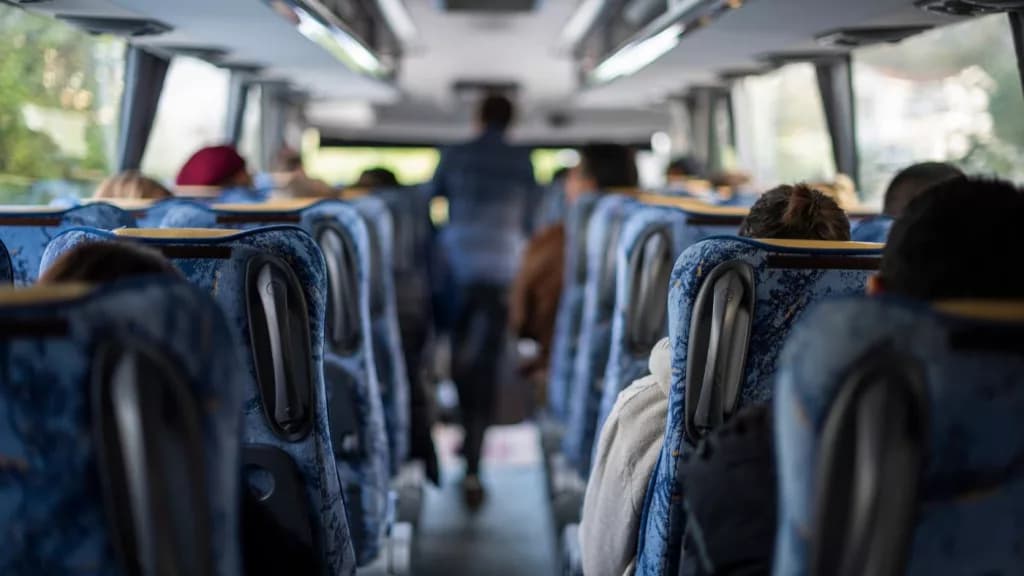
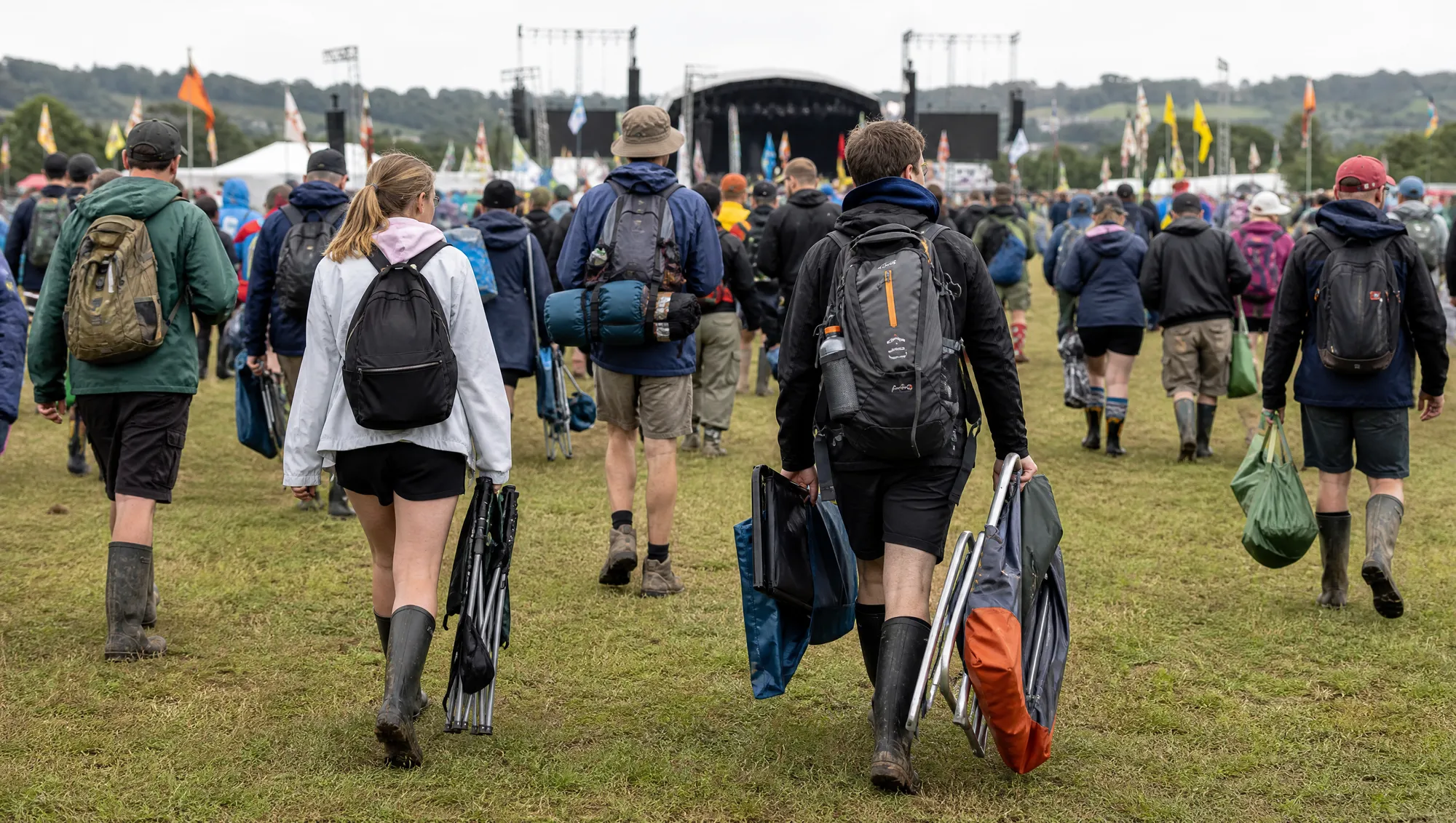
Festival transport looks simple and rarely is. The venue is often a field with one entrance, the traffic plan changes every year, and the return journey happens at midnight with a tired group and a great deal of muddy luggage.
Groups that plan for those specifics have a good weekend. Groups that book a minibus and hope generally don't.
Book early, and read the traffic plan before you choose a vehicle
Festival weekends are the tightest dates in the calendar. Operators across the region are committed months ahead, and the vehicles still free in June for an August weekend are the ones nobody else wanted. If your group is going to a major festival, book transport as soon as the tickets are confirmed. It's the one kind of trip where leaving it late reliably costs more and gets you less.
Before you settle on a vehicle, find the festival's traffic management plan. Most large events publish one, and it matters enormously. Many have a designated coach drop-off some distance from the campsite, set windows when vehicles can enter, or restrictions on large vehicles at certain times of day. Read the plan for this year specifically, because they change, and share it with your operator when you book. It may decide the vehicle for you: a 50-seat coach that can't get in is worse than a 20 seater minibus that can.
Ask exactly how far the drop-off is from where your group will be camping. "Coach parking" that turns out to be a twenty-minute walk across fields changes what people should pack and how they should carry it, and it's far better to know that before anyone buys a cool box without wheels.
Size the vehicle for the gear, not just the people
A festival group's luggage isn't airport luggage. Tents, sleeping bags, camping chairs, cool boxes and crates of supplies take up far more room than suitcases, and they're awkward shapes that don't stack. Gazebos are worse. As a working rule, a festival group needs roughly one vehicle size larger than the same number of people going anywhere else. Sixteen people going to a wedding fit a 16-seater; sixteen people going camping for three days do not.
Be honest with your operator about what's coming. "Some camping stuff" and "four crates, eight tents and a gazebo" lead to very different recommendations, and the second one gets you a vehicle that actually works. For larger groups a coach is often the answer even when the passenger numbers would fit something smaller, because coaches carry luggage separately from the people. A 33 seater coach suits a lot of mid-size festival groups for exactly that reason, and our guide to choosing between a minibus and a coach goes through the sizes in more detail.
It also helps to agree the loading with the group before the day. Tents and chairs go in first, day bags stay on board, and nothing sharp or leaking gets packed against someone else's sleeping bag. Ten minutes of organisation at the pickup saves half an hour of repacking in a lay-by.
The return leg is the hard part
Everyone plans the journey there. The return is where festival transport goes wrong. Departure times slip because groups are slower to pack up than they expect, so build in real margin rather than hoping. Everything will be muddy, and it's worth agreeing with your operator how wet gear will be loaded; a roll of bin bags for the tents is the most useful thing anyone can bring. Getting off a festival site is slow as well. It can take an hour from the car park to the first proper road, and that hour belongs in your timings.
Late finishes also run into drivers' hours. A driver who brought you in early in the morning may not legally be able to drive you home after midnight, which can mean a second driver or a separate vehicle for the return. Talk this through when you book, when it's easy to arrange, rather than on the night.
Agree the pickup point in advance and in writing. At a festival, "by the coach" is meaningless when there may be sixty of them in one field, in the dark, with no phone signal. Pick a specific named landmark and a time, and tell every person in the group before you arrive, while there's still signal. A screenshot of the site map with the point marked does more good than any number of messages sent later. It's also worth naming one person as the driver's contact for the return. Groups coming back from festivals have usually been drinking, and that's expected; what the driver needs is someone who answers the phone and makes sense. Drivers can refuse to carry anyone who's genuinely unwell, so it helps if that person keeps an eye on the group as the evening goes on.
AJ Travel runs group transport to festivals and summer events across the UK from our base in Birmingham, with vehicles from 8 to 70 seats and drivers who've done the late pickups before. Tell us the event, the group size and what you're bringing, and we'll size it for the gear as well as the people. For bigger groups, start with our coach hire in Birmingham page.