
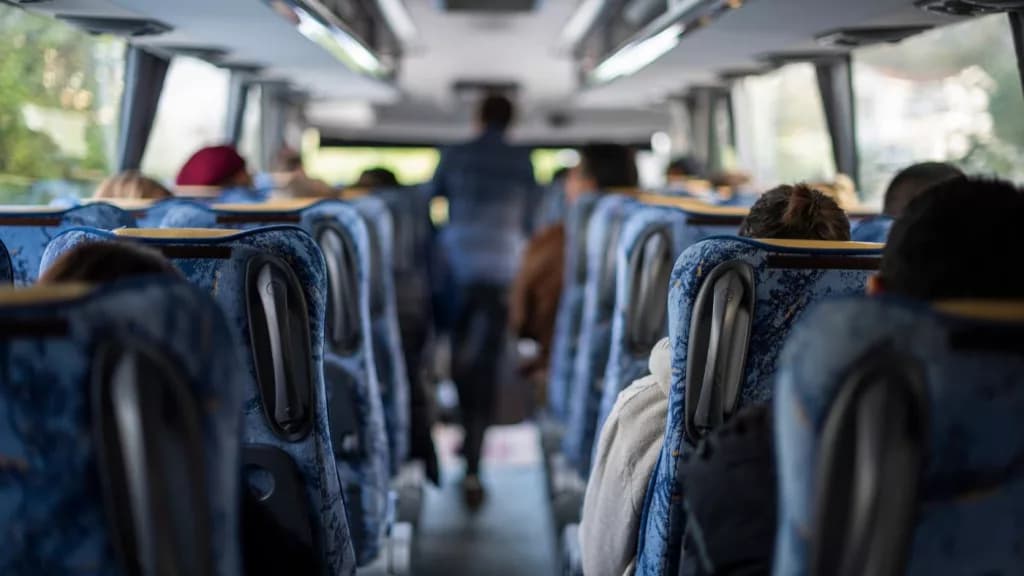
Leading a group day trip is mostly invisible work. Done well, everyone assumes it was easy. Done badly, thirty people notice at once. Most of what separates the two happens before anyone boards.
This is the checklist we see experienced organisers use, drawn from the trips that run smoothly.
A week before
- Confirm the final headcount with your operator. Numbers drift after the initial booking, and vehicle size may need adjusting.
- Send exact postcodes for pickup and destination — the specific entrance, not the general area. Large vehicles cannot always reach where a car can.
- Check access at the destination. Many attractions have a separate coach drop-off, and some require booking it in advance.
- Nominate a second contact in case you are unreachable on the day.
- Ask about waiting time if you are somewhere for several hours. Keeping the vehicle is usually cheaper than two separate journeys.
The day before
- Send the group a single message with departure time, exact meeting point and your phone number. One message, not five.
- Give a meeting time ten minutes before departure. Someone will be late; build it in rather than losing the slot.
- Confirm dietary or mobility needs with the venue, not just your own list.
- Check the weather and tell people. It changes what they bring and prevents complaints later.
What the trip leader should carry
- A printed passenger list. Phones run out of battery; paper does not.
- Emergency contacts for anyone under 18 or anyone with a medical condition.
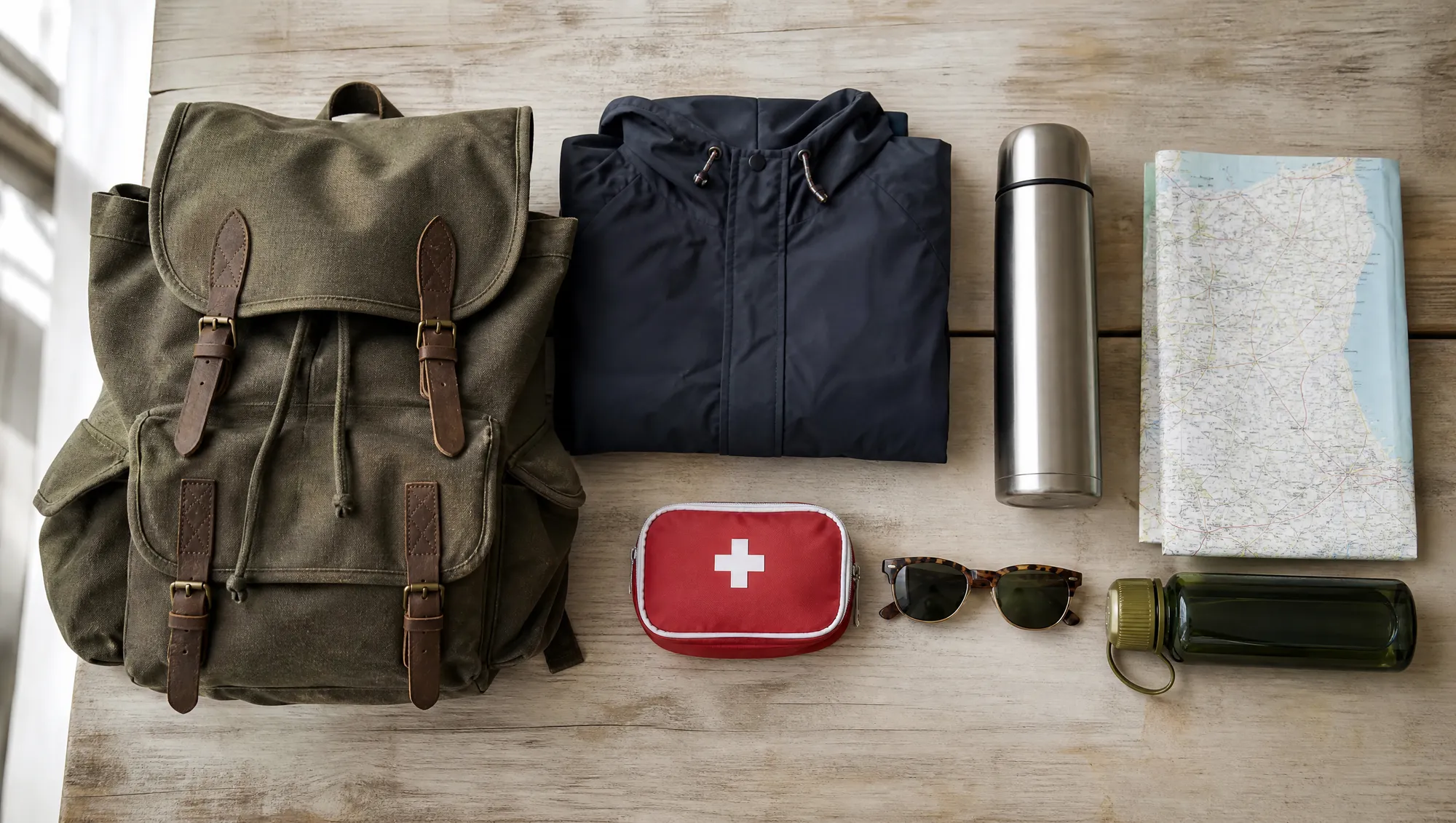
- A basic first aid kit, even though the vehicle carries one.
- Cash for the small things that turn out not to take cards.
- Your operator's direct number and the driver's, if provided.
- Spare carrier bags. Unglamorous, endlessly useful — wet coats, rubbish, travel sickness.
What to tell passengers to bring
Keep it short. Long lists get ignored:
- Layers, whatever the forecast says
- Water and something to eat for the journey
- Any personal medication, carried on them rather than in a bag in the hold
- A charged phone
- Comfortable shoes, particularly for anywhere involving walking
On the day
Arrive before your group. Being present when the first person turns up sets the tone for everything that follows.
Count everyone on, and count everyone back on after every stop. Not a headcount from memory — an actual count against the list. This is the single most common failure on group trips, and it is entirely preventable.
Brief the group briefly once everyone is seated: journey length, when the stop is, what time you are leaving the destination. People behave better when they know the plan.
Agree the return meeting point in writing, not verbally. "By the coach" means nothing in a car park with forty vehicles. "By the coach, at the main entrance, at 4:15" does.
Working with your driver
Introduce yourself at the start. A driver who knows who is running the trip can flag problems early rather than waiting to be asked.
Remember that drivers work to legally enforced hours. This is not flexible, and building a schedule that assumes it is will fail. Discuss timings at the booking stage if the day is long.
Tell the driver about anyone who needs extra time boarding, or anyone prone to travel sickness who should sit near the front. Small adjustments, made early, prevent most of the day's friction.
Planning a group day trip from Birmingham?
We run day trips across the UK for schools, community groups, workplaces and families, in vehicles from 8 to 70 seats with DBS-checked, PCV-licensed drivers. Tell us where you are going and how many are coming, and we will help you plan the day rather than just quote the journey.